
Acupuncture for Joint and Muscle Pain: Does It Actually Work?
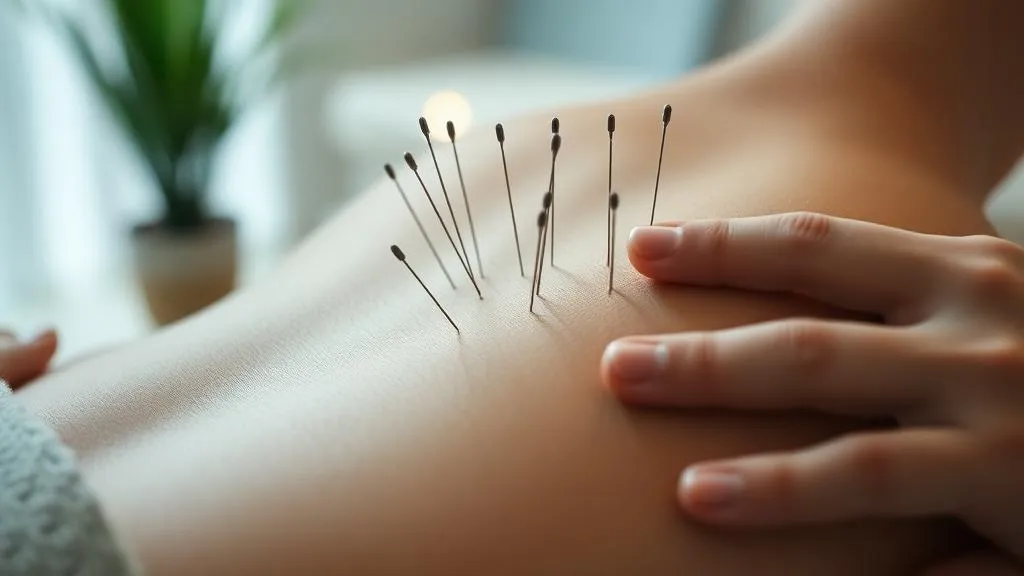
Acupuncture for joint and muscle pain involves inserting very fine needles into specific points in the body to ease pain and encourage tight muscles to release. At GD Health Clinic it's offered as one option among several — not a replacement for physiotherapy or injections, but something that can sit alongside them, particularly for stubborn muscle tightness or pain that hasn't fully settled with other treatment on its own.
What Is Acupuncture Actually Used For?
In a clinical setting like ours, acupuncture is mostly used for musculoskeletal pain rather than the wider range of conditions it's sometimes associated with. That typically means:
- Tight, knotted muscles that don't fully release with stretching or massage alone
- Chronic tendon or joint-area pain that's proving stubborn to shift
- Lower back and neck pain, particularly where muscle tension is a big part of the picture
- As an add-on alongside physiotherapy, to help someone tolerate exercises and movement work more comfortably
It isn't generally used as a stand-alone fix for arthritis, ligament injuries or anything that needs a scan or an injection to properly get to the bottom of — for those, an assessment first is the more sensible route.
How Does It Work?
Modern clinical acupuncture, as used by physiotherapists and clinicians, is generally explained differently from traditional theory — the working idea is that needling a muscle or trigger point can reduce local tension, change how pain signals are processed, and encourage a short-term increase in blood flow to the area. It's often described as similar in effect to a firm, targeted massage, delivered a different way.
Does the Evidence Support It?
Honestly — it's mixed, and worth saying plainly rather than oversold. Research into acupuncture for pain shows it can help some people with conditions like lower back pain, tennis elbow and knee osteoarthritis, though the size of the effect varies by study and by person, and some of the benefit likely comes from the treatment session itself — attention, relaxation, the needling response — rather than anything more specific. It isn't a guaranteed fix, and it doesn't work the same way for everyone. Where it tends to earn its place is as one part of a wider plan — alongside physiotherapy, exercise and activity changes — rather than something to try in isolation and expect to solve the problem on its own.
It's also worth being clear about what it won't do. It won't reverse arthritis, repair a torn tendon or ligament, or replace a diagnosis — those need an assessment, and often a scan, before any treatment makes sense. Anyone offering acupuncture as a cure-all for structural joint problems is overselling it; used honestly, it's a tool for easing muscle-related pain and tension, not a substitute for finding out what's actually wrong.
What to Expect at an Appointment
You'll start with an assessment rather than needles straight away — your clinician talks through what's going on, what you've already tried, and whether acupuncture is likely to add anything useful to your specific problem. If it's appropriate, fine, sterile single-use needles are inserted into specific points, usually left in place for a short time while you rest. Most people describe it as a dull ache or slight pressure rather than pain. It's common to feel a bit relaxed — occasionally tired — afterwards, and some people notice mild muscle soreness for a day or so, similar to how a deep massage can feel the day after.
Because it tends to work best as part of a plan rather than a one-off, your clinician will talk through how many sessions might be worth trying and how you'll judge whether it's helping before committing to more. A typical starting point is a short course rather than a single session, since one treatment rarely tells you much either way — the useful signal comes from how the area responds over two or three sessions, not from a single visit.
Is It Safe?
For most people, yes — it's generally considered a low-risk treatment when done by a trained clinician with sterile, single-use needles. Minor bruising or brief soreness at a needle site is the most common thing people notice, and it usually settles within a day or two on its own. As standard practice, your clinician will ask about things like pregnancy, blood-thinning medication, needle phobia and pacemakers before going ahead, since these affect whether — or how — it's used. If you're unsure whether it's suitable for you, that's exactly what the initial assessment is for — it's a conversation, not something you're expected to know the answer to yourself.
Who Tends to Find It Helpful
Acupuncture tends to suit people who:
- Have tight, knotted muscle pain alongside a joint or tendon problem
- Are already doing physiotherapy but finding certain areas slow to loosen up
- Want to try a non-invasive option before considering an injection
- Have tried the basics — rest, stretching, over-the-counter pain relief — without much change
It's less likely to help on its own where the underlying issue is structural — a genuinely arthritic joint, a torn tendon or a ligament injury — and in those cases it's usually better used alongside the treatment that actually addresses the cause, such as guided injections or a course of physiotherapy, rather than instead of it. It also tends to pair well with sports massage for people whose main issue is ongoing muscle tightness rather than a specific joint problem — some people find alternating or combining the two keeps stubborn areas more manageable between physiotherapy sessions.
Acupuncture in Barrow, Millom and South Cumbria
We offer acupuncture at both clinics — Barrow-in-Furness and Millom — usually as part of a wider plan for people across Barrow-in-Furness, Dalton-in-Furness, Ulverston, Askam and Millom who are managing ongoing joint or muscle pain. Starting with an assessment means you're not guessing whether it's the right tool for what you've got — your clinician will say honestly whether it's likely to help, or whether something else, like our full range of services, is a better starting point.
Frequently Asked Questions
Does acupuncture hurt?
Most people describe it as a dull ache or mild pressure rather than pain, and the needles used are very fine.
How many sessions will I need?
It varies by person and what you're treating. Your clinician will talk through a sensible starting point and how you'll judge whether it's helping before committing to more — see our pricing page for costs.
Can acupuncture replace physiotherapy or an injection?
Not usually — it tends to work best alongside them rather than instead of them, particularly where there's a structural cause like arthritis or a tendon injury.
Is there good evidence that it works?
The evidence is mixed. Some people get a real benefit, particularly for muscle tightness and chronic pain, but it isn't guaranteed and doesn't work the same way for everyone.
Do I need a referral to try it?
No — you can book an assessment directly, and your clinician will advise honestly whether acupuncture makes sense for what you're dealing with.
assessment.
Call or book online, and we'll book you in at the clinic that offers the treatment you need. Current prices are on the price list.
Book onlineOr call 07849 617337. Barrow-in-Furness: FAB Fitness and Health Club, Hollywood Park, Hindpool Road. Millom: 12 Wellington Street.