
Is Shockwave Therapy Painful? What Treatment Actually Feels Like
Shockwave therapy is not usually painful, but it isn't painless either. Most people describe it as a strong, tapping ache during the session that eases off within a minute or two once the machine moves on, and any soreness afterwards is similar to a hard workout in that area — gone by the next day for most people. Here's what it actually feels like, appointment by appointment.
What the sensation actually feels like
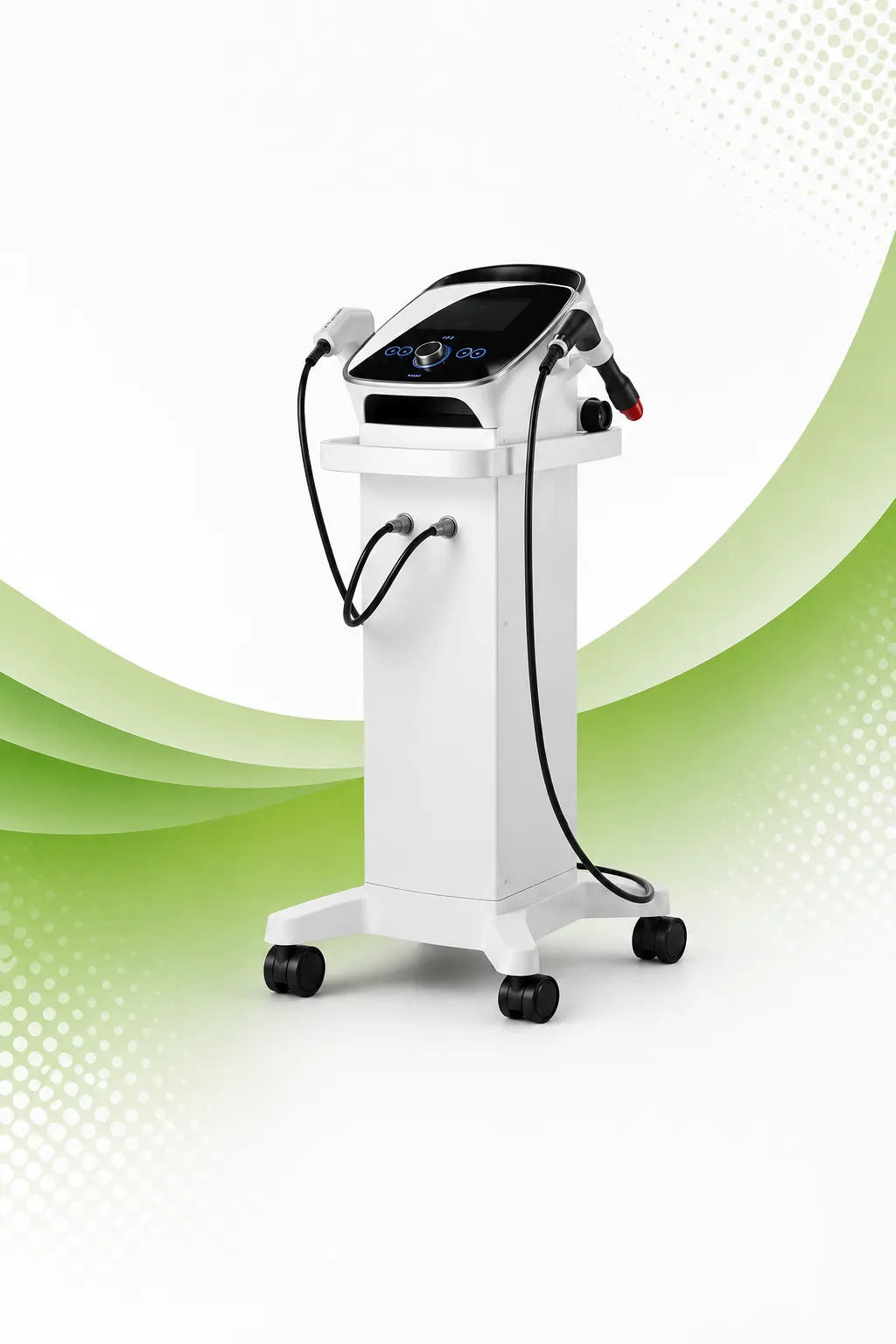
Radial shockwave therapy works by firing rapid pulses of pressure into the sore tissue through a handheld probe. Each pulse feels like a firm, blunt tap — some people compare it to being flicked hard with an elastic band, repeated quickly. It's more uncomfortable directly over the sorest point of a tendon (this is actually a useful sign — it tells Phoebe she's found the right spot) and much milder everywhere else the probe passes.
The intensity is adjusted to what you can tolerate. Sessions typically start gentler and build up over the course of treatment as the tissue gets used to it, which is why the first appointment is often the one people find hardest and later ones feel easier.
What happens during a session
A shockwave appointment at GD Health Clinic runs about 45 minutes, though the shockwave delivery itself is only a few minutes of that — the rest is assessment, positioning and checking how the area responds. Treatment is currently only available at the Barrow-in-Furness clinic (FAB Health and Fitness Club, Hollywood Park), run by Phoebe. A cold gel is applied to help the probe glide over the skin, similar to an ultrasound scan, and Phoebe will talk you through what she's finding as she goes rather than working in silence.
A full course is typically 4-6 sessions, spaced 7-10 days apart, priced at £80 per session. Spacing the sessions out matters — it gives the tissue time to respond between appointments rather than overloading it.
Does it hurt afterwards?
Some soreness or a dull ache in the treated area for a day or so afterwards is common and expected — it's a similar feeling to muscle soreness after exercise you're not used to. It's not a sign anything has gone wrong. Ice and normal movement usually settle it down. If soreness is severe or lasting more than a couple of days, that's worth flagging at your next appointment.
Why it's worth tolerating the discomfort
Shockwave is generally reached for once rest, ice and straightforward physiotherapy haven't shifted stubborn tendon pain on their own — plantar fasciitis, tennis elbow, Achilles tendon pain and calcific shoulder tendinopathy are the conditions it's most commonly used for. The pulses are designed to disrupt the pattern of chronic, poorly-healing tissue and prompt the body to lay down a fresh blood supply and repair response in the area — which is the whole reason a bit of short-term discomfort during treatment is part of how it works, rather than a side effect to work around.
Is it worse than other treatments?
Most people find it more uncomfortable, session to session, than physiotherapy or sports massage, but noticeably less involved than an injection — there's no needle. If you've had a steroid injection before, shockwave tends to feel more like ongoing pressure and less like a single sharp moment.
What conditions is it used for
Shockwave is aimed at chronic, stubborn tendon and soft-tissue pain that hasn't settled with rest, ice or a straightforward course of physiotherapy — typically pain that's been hanging around for six weeks or more. The conditions it's most often used for at GD Health Clinic include:
- Plantar fasciitis — heel and arch pain that's often worst with the first few steps in the morning
- Tennis elbow and golfer's elbow — pain on the outside or inside of the elbow from repetitive gripping or lifting
- Achilles tendon pain — a dull ache or stiffness in the back of the ankle, often worse after activity
- Calcific shoulder tendinopathy — shoulder pain linked to calcium build-up in the rotator cuff tendons
- Other stubborn tendon pain around the knee or hip that hasn't responded to other treatment
Who shouldn't have shockwave therapy
Shockwave isn't suitable for everyone, and this is exactly the sort of thing checked at your assessment before a course is booked. It's generally avoided if you:
- Are pregnant
- Have a blood clotting disorder or take blood-thinning medication
- Have a pacemaker or other implanted electrical device near the treatment area
- Have an active infection, open wound, or suspected tumour in the area
- Have had a steroid injection in the same spot within the last six weeks
None of this is diagnosed from a phone call — it's worked through properly at your first appointment, which is also where Phoebe checks the tendon is actually the right target before any treatment starts.
How to prepare for a session
There's not much to do beforehand. Wear or bring clothing that gives easy access to the area being treated (shorts for a knee or Achilles, a loose top for a shoulder or elbow), and avoid taking anti-inflammatory painkillers like ibuprofen in the days around treatment if you can, since inflammation is part of how shockwave prompts the tissue to repair. Turning up having done your normal daily activity is fine — there's no need to rest the area beforehand.
FAQs
Do I need a numbing cream or local anaesthetic first?
No. Shockwave therapy doesn't use needles, so there's nothing to numb beforehand. You can drive and go straight back to normal activities afterwards.
Can I stop the session if it's too uncomfortable?
Yes — the intensity is set by Phoebe based on what you can tolerate, and it's adjusted on the spot if a particular pulse is too much. Treatment shouldn't be gritted through in silence.
Will every session feel the same?
Usually not. Many people find the first session the most uncomfortable simply because the tissue hasn't been treated before, with later sessions in the course feeling more manageable as the area responds.
Is shockwave therapy available anywhere else in south Cumbria?
At the moment it's only available at the Barrow-in-Furness clinic — it's the only shockwave machine between Workington and Kendal, so patients from Millom, Dalton-in-Furness, Ulverston and Askam travel in for it.
What if shockwave still doesn't shift the pain?
If a course of shockwave hasn't helped enough, that's exactly the kind of thing to discuss at a follow-up assessment — sometimes a diagnostic ultrasound scan or a different approach such as physiotherapy is the better next step.
Can I have shockwave therapy straight after an injury?
Not usually. Shockwave is aimed at chronic, long-standing tendon pain rather than a fresh, acute injury — a new sprain or strain is generally better managed with rest, ice and physiotherapy first, with shockwave considered later if the pain settles into something stubborn.
assessment.
Call or book online, and we'll book you in at the clinic that offers the treatment you need. Current prices are on the price list.
Book onlineOr call 07849 617337. Barrow-in-Furness: FAB Fitness and Health Club, Hollywood Park, Hindpool Road. Millom: 12 Wellington Street.