
Steroid Injection Aftercare: What to Do (and Avoid) in the First 48 Hours
Had a steroid injection and not sure what you're allowed to do for the next couple of days? The short version: rest the joint for 24-48 hours, skip anything strenuous or very hot, and expect the area to feel a bit sore or achy before it feels better. Most people are back to normal daily activity within a day or two, with the injection's fuller effect building over the following one to two weeks.
Here's what to do — and what to avoid — in the first 48 hours after a steroid injection, and when it's worth getting in touch with a clinician.
In the first 24-48 hours
Do
- Rest the treated joint as much as practical. If it's a knee, hip or shoulder, avoid putting it through a full day's normal workload straight away.
- Use an ice pack (wrapped in a towel, never directly on skin) for 10-15 minutes at a time if the area feels swollen or sore.
- Take your usual painkillers if you need them — paracetamol or your normal pain relief is fine unless you've been told otherwise.
- Keep the injection site clean and dry for the rest of the day it was done.
- Move the joint gently through its normal range — you don't need to keep it completely still, just avoid loading it hard.
Avoid
- Heavy exercise, running, gym sessions or manual lifting for at least 48 hours.
- Hot baths, saunas or swimming pools for 48 hours — heat and moisture around a fresh injection site aren't a good combination.
- Long, high-mileage walks or standing for hours if the injection was into a weight-bearing joint like a hip or knee.
- Alcohol on the day of the injection, as it can mask early warning signs and doesn't mix well with some pain relief.
Why there's often a flare before the improvement
It's common for the joint to feel more uncomfortable for the first day or two after a steroid injection, sometimes described as a "steroid flare." This isn't a sign the injection has failed — it's a normal reaction as the medication settles into the joint. The anti-inflammatory effect of the steroid typically builds over 3-7 days, and for some people the full benefit isn't felt for one to two weeks. Ice, rest, and your usual painkillers are usually enough to manage this early discomfort.
Because everyone's timeline differs slightly, it's worth not judging the injection's success or failure until at least a week or two has passed.
When to get in touch with a clinician
A short flare of soreness is expected. What isn't expected — and is worth calling about — is:
- Increasing redness, heat or swelling around the injection site after the first day or two, rather than settling down.
- A fever, or feeling generally unwell.
- Pain that's getting steadily worse rather than easing, especially past the 3-4 day mark.
- Any pus or discharge from the injection site.
These are uncommon after a steroid injection, but they're the signs of infection that any clinic will want to know about promptly. If in doubt, ring the clinic that carried out your injection rather than waiting it out.
A note if you have diabetes
Steroid injections can cause a temporary rise in blood sugar for people with diabetes, usually lasting a few days. This is a well-recognised effect of the medication itself rather than anything specific to how or where the injection was given. If you're diabetic, it's worth checking your blood sugar a little more closely than usual for the first few days after the injection, and mentioning your diabetes to whoever carries out the injection so they can factor it in when discussing whether — and how many — injections make sense for you.
Getting back to normal activity
Once the initial 48-hour window has passed and any flare has settled, most people can gradually build back up to their normal activity level. If the injection was for a joint you rely on for sport or manual work — a shoulder, elbow or knee, for example — it's worth easing back in over a few days rather than going straight back to full intensity, even once the joint feels comfortable. Overdoing it in the first week, just because the pain has eased, is one of the more common reasons people don't get the full value from an injection.
If physiotherapy has been recommended alongside the injection — which is often the case for shoulders and knees in particular — that's usually best started once the initial soreness has settled, so the joint can be worked through its range without unnecessary discomfort.
How GD Health approaches steroid injections
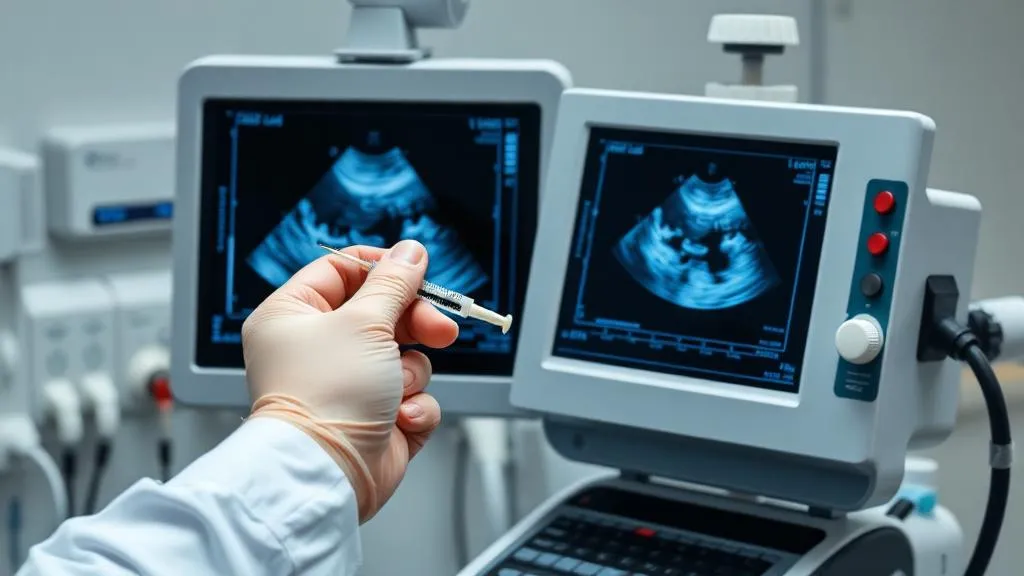
At GD Health Clinic, steroid injections are used for conditions like frozen shoulder and bursitis, and are one of two injection options alongside hyaluronic acid injections for more degenerative joint problems. GD Health is the only clinic in south Cumbria offering diagnostic ultrasound alongside ultrasound-guided injections, meaning the needle placement is checked in real time rather than relying on landmarks alone. That's a differentiator in accuracy — it doesn't change the aftercare advice above, which applies whichever way an injection is given.
Most patients having steroid injections at GD Health are over 40, dealing with arthritis or a stubborn joint problem, and looking for ways to stay active and delay or avoid joint replacement surgery. Aftercare aside, the assessment beforehand — including a scan where it's useful — is what determines whether a steroid injection is actually the right next step, or whether physiotherapy or a different approach should come first.
Frequently asked questions
How long should I rest after a steroid injection?
As a general guide, avoid strenuous activity, heavy lifting and hot baths for 48 hours. Gentle movement and normal light activity are fine sooner than that for most people.
Is it normal for the joint to hurt more after the injection?
Yes, a short flare of increased discomfort in the first 24-48 hours is common and isn't a sign the injection hasn't worked. Ice and your usual pain relief usually help it settle.
How soon will I know if the steroid injection has worked?
The anti-inflammatory effect usually builds over the first week, with some people needing up to two weeks to feel the full benefit. It's best not to judge the result too early.
Can I drive home after a steroid injection?
Most people can drive themselves after a steroid injection, as it doesn't involve sedation. If a joint feels particularly stiff or sore afterwards, it's sensible to wait until you're comfortable moving it before driving.
What should I do if the injection site looks red or swollen a few days later?
Some initial soreness and mild swelling is expected in the first day or two, but redness, heat or swelling that's getting worse — or a fever — should be checked promptly. Contact the clinic that carried out your injection.
assessment.
Call or book online, and we'll book you in at the clinic that offers the treatment you need. Current prices are on the price list.
Book onlineOr call 07849 617337. Barrow-in-Furness: FAB Fitness and Health Club, Hollywood Park, Hindpool Road. Millom: 12 Wellington Street.