
Steroid Injections for Joint Pain: How Many Can You Have and Are There Risks?
Most people can safely have a steroid injection every three to four months in the same joint, up to about three or four times a year — but the real answer depends on which joint, why it's inflamed, and how you respond to the first one. Steroid injections are a well-established treatment for joint and soft-tissue pain, and for most patients the risks are small and manageable. Here's what to actually expect.
What steroid injections are used for
At GD Health Clinic, steroid injections are most commonly used for frozen shoulder and for inflamed bursae (small fluid-filled cushions around joints like the hip and shoulder that can become painful and swollen — a condition called bursitis). The steroid is an anti-inflammatory, injected directly into or around the affected area to calm down the inflammation that's driving the pain.
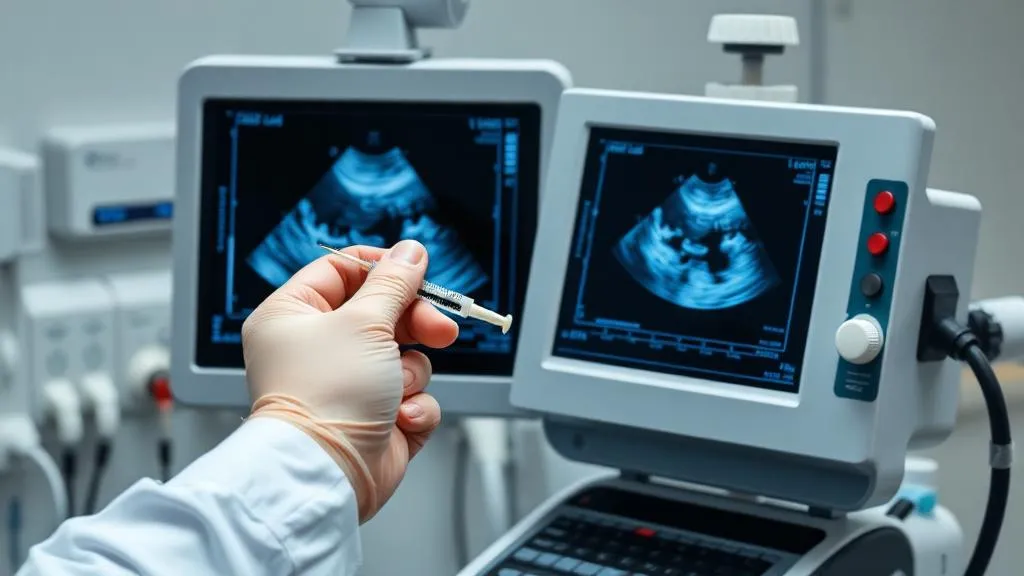
Because the medication goes straight to the source rather than travelling through your whole system the way a tablet does, it tends to work faster and at a much lower dose than oral steroids. Ultrasound-guided injections — which is how GD Health Clinic delivers them — let the practitioner see the joint, tendon or bursa on screen in real time and place the needle precisely where it needs to go, rather than relying on feel alone.
How many can you have?
There isn't one universal number, but the general guidance clinicians work to is no more than three or four injections into the same joint per year, with at least three months between each one where possible. That spacing matters — repeated steroid injections into the same spot in short succession can, over time, weaken the surrounding tendon or cartilage, so clinics pace them out deliberately rather than repeating on demand every time pain flares.
If a first injection doesn't settle things, or the relief doesn't last, that's useful information — it may mean the diagnosis needs revisiting (which is where a scan comes in, see below), or that a different treatment such as physiotherapy or shockwave therapy is a better fit for what's actually going on.
Are there risks?
Steroid injections are generally low-risk when given by someone experienced, but it's worth knowing what can happen:
- Short-term flare-up: some people get a day or two of increased pain and swelling ("steroid flare") before it settles and the anti-inflammatory effect kicks in.
- Temporary skin or tissue changes: occasionally there's some lightening of the skin or thinning of the fat under the skin at the injection site, particularly with repeat injections in the same spot.
- Infection: rare, but any injection carries a small infection risk, which is why the procedure is done under sterile conditions.
- Blood sugar changes: if you're diabetic, steroid injections can temporarily raise blood sugar — worth flagging to whoever's treating you.
- Reduced effectiveness with repeat use: the anti-inflammatory effect can become less reliable if the same area is injected too often, which is the main reason clinics limit frequency.
None of this means steroid injections aren't a good option — for the right problem, in the right place, they're a well-tested treatment that's been used safely for decades. It just means they're one part of a plan, not something to repeat indefinitely without checking whether it's still the right tool.
Why a scan first makes a difference
GD Health Clinic is the only clinic in south Cumbria offering diagnostic ultrasound alongside ultrasound-guided injections. That matters for steroid injections specifically, because "shoulder pain" or "hip pain" can come from several different structures — a scan shows whether it's the bursa, the tendon, or the joint itself that's inflamed, so the injection goes to the right place and you're not guessing based on symptoms alone.
What to expect at your appointment
An assessment starts with talking through your symptoms and how long they've been going on, followed by an examination and, where it's useful, a scan to confirm what's actually causing the pain. If a steroid injection is appropriate, it's given under ultrasound guidance in the same visit or a follow-up appointment. Most people are back to normal activity the same day, with advice to take it a little easier on the joint for 24–48 hours.
Looking after the joint afterwards
The general advice after a steroid injection is to rest the area for a day or two and avoid heavy loading — so no gym sessions, heavy lifting or long runs immediately afterwards, even if it feels fine. Gentle movement is usually encouraged rather than complete rest, since keeping the joint moving helps it recover its normal range. Ice can help if there's swelling or discomfort in the first 24 hours. It's also worth keeping a rough note of how the joint responds over the following one to two weeks — how much relief you get and how long it lasts is exactly the information that helps decide what happens next, whether that's leaving it be, a follow-up injection down the line, or moving on to a different treatment.
FAQ
Do steroid injections hurt?
There's a brief sharp sensation as the needle goes in, similar to a blood test, and some people feel pressure as the fluid is injected. It's generally well tolerated and over within a minute or two.
How quickly do steroid injections work?
Some people feel improvement within a few days; for others it takes one to two weeks for the full anti-inflammatory effect to build up. A short flare-up in the first day or two is common before that.
Can I have a steroid injection if I'm on other medication?
Most medications aren't a problem, but blood thinners, diabetes medication and a few others need to be flagged before treatment — this gets covered during your assessment.
Is a steroid injection better than physiotherapy?
They're not competing options — a steroid injection can calm inflammation enough to make physiotherapy more effective, and the two are often used together rather than one instead of the other.
What if the injection doesn't help?
That's useful information rather than a dead end. It may point to a different diagnosis, or suggest shockwave therapy or a structured physiotherapy programme would suit the underlying problem better.
Steroid injections at GD Health Clinic are available at both the Barrow-in-Furness and Millom clinics, for patients across Barrow, Millom, Dalton-in-Furness, Ulverston, Askam and the wider south Cumbria area. See pricing or get in touch to book.
assessment.
Call or book online, and we'll book you in at the clinic that offers the treatment you need. Current prices are on the price list.
Book onlineOr call 07849 617337. Barrow-in-Furness: FAB Fitness and Health Club, Hollywood Park, Hindpool Road. Millom: 12 Wellington Street.